
CBDV Cannabinoid: What It Is and How It Differs from CBD and THC
CBDV is a rare cannabinoid attracting growing interest for its unique structure and potential effects.
What Is CBDV Cannabinoid
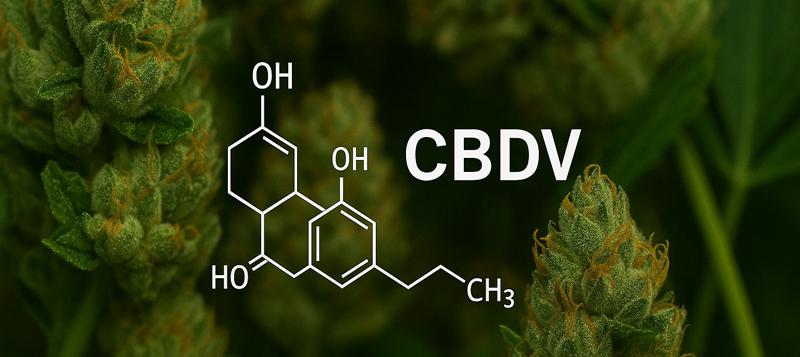
Cannabidivarin, known as CBDV, is a naturally occurring cannabinoid found in certain marijuana and hemp varieties. Although discovered decades ago, it has recently gained attention as interest in minor cannabinoids continues to grow. CBDV is non intoxicating and structurally similar to CBD, but it has a shorter three carbon side chain compared to CBD’s five carbon chain. This variation may influence how CBDV interacts in the body and how it behaves alongside other cannabinoids.
How CBDV Differs From CBD, THC, and Other Cannabinoids
CBDV and CBD share a similar backbone, but belong to different subclasses because of their side chain length. CBDV is part of the varin family of cannabinoids, along with THCV. This structural difference separates CBDV not only from CBD, but also from common cannabinoids like THC.
CBDV is non intoxicating, unlike THC, and appears in much smaller natural quantities. Extraction is more challenging, and most strains contain only trace levels of CBDV. CBD and THC, by contrast, occur abundantly and are therefore more widely available and studied. These factors explain why CBDV products remain less common on the market today.
What Current Research Suggests
Although CBDV research is still early, several areas have generated interest, especially in preclinical studies. Current findings suggest CBDV may potentially influence neurological pathways and inflammatory responses, but much more research is needed. Areas under scientific exploration include:
• Potential support for neurological balance and signaling activity.
• Possible anti inflammatory and neuroprotective roles through glial cell interaction.
• Preclinical comparisons to CBD in models exploring seizure related activity.
• Studies evaluating how CBDV may influence nausea related responses.
These findings are promising, but most evidence comes from animal and cell based studies. CBDV should be approached as an emerging cannabinoid with potential, not a confirmed therapeutic option. Always refer to a healthcare provider before using any cannabinoid for wellness purposes.
Why CBDV Is Hard to Find
CBDV is considered a minor cannabinoid largely because most marijuana cultivars produce it only in small amounts. Extracting meaningful concentrations requires more plant material and more selective breeding. As a result, CBDV rich products are less common and may be priced higher than products containing more abundant cannabinoids.
Some breeders are developing genetics designed to express higher CBDV levels. As these cultivars become more established, CBDV products may become easier to find.
Choosing CBDV Products
Because CBDV content varies widely between products, updated lab testing is essential. A Certificate of Analysis verifies whether CBDV appears in meaningful levels or only as a trace component. Products developed from varin focused genetics or refined extracts tend to offer more noticeable CBDV concentrations.
When exploring CBDV, consider starting with smaller amounts and reviewing the product’s full cannabinoid and terpene profile. The overall combination often plays a larger role in how the experience feels than any single compound alone.
Final Thoughts
CBDV is a rare and intriguing cannabinoid with a distinct structure and growing scientific interest. While it shares similarities with CBD, its shorter side chain places it in a unique category that may offer different interactions. As research evolves and cultivators continue developing CBDV rich strains, this lesser known compound is becoming a more meaningful part of the marijuana landscape.
Health Disclaimer: The information provided in this article is for educational purposes only and should not be taken as medical advice. Always consult with a qualified healthcare provider before using marijuana, particularly if you have pre existing conditions or are taking medication.